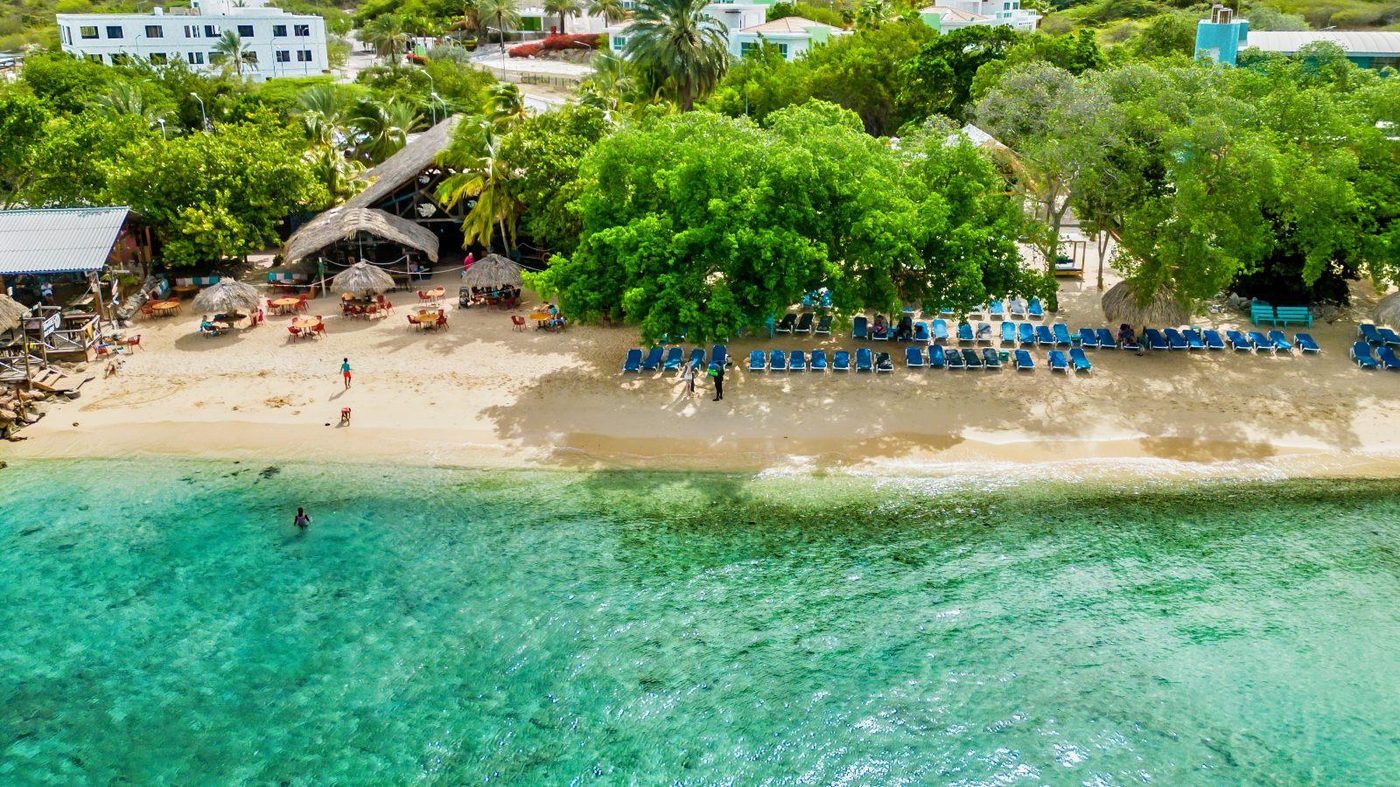
Buying a business in Curaçao is really two purchases in one: a cash flow and a life. Sometimes there's real estate attached, sometimes a lease, sometimes a story that doesn't survive due diligence. I've seen foreigners buy themselves a dream job at minimum wage, and I've seen others quietly acquire excellent little machines. The difference was always the diligence, never the brochure.
What's actually for sale here
The recurring inventory: boutique hotels and guesthouses (8–30 rooms, often owner-operated, the most common foreigner purchase), dive shops (strong brand value, equipment-heavy, staff-dependent), restaurants and beach bars (high turnover of both customers and owners — be careful), property management and vacation rental companies (recurring revenue, sellable books of contracts), car rental operations, and occasionally marinas, tour operators, and retail. The best listings circulate through notaries, accountants, and word of mouth before they ever hit a broker's website. By the time a business is publicly listed for a year, the island has usually already decided what's wrong with it.
What businesses cost
Small-business valuations here are earnings-based and modest: typically 2–4× seller's discretionary earnings (SDE) for operating businesses without property, at the higher end when revenue is documented, diversified, and transferable. A guesthouse netting $80,000 might ask $200,000–$300,000 for the operation — plus the real estate at market value if it's included, which changes everything about the deal's safety. What's included varies wildly: equipment, licenses, brand, bookings pipeline, staff contracts, sometimes the owner's goodwill with suppliers — get the asset list in writing. Asking prices skew optimistic; well-documented businesses transact, poorly documented ones negotiate steeply or never sell.
Residency and work permits: the real rules
Buying a business does not automatically grant you the right to live and work in Curaçao. Non-Dutch nationals need a residence permit, and to actively run the business, authorization to work — though a genuine investor's permit route exists: invest roughly $280,000+ (ANG/XCG 500,000) in the local economy (a business qualifies, as can property) and you can obtain a renewable investor residence permit, with larger investments unlocking longer terms. Dutch and other EU-Dutch-kingdom nationals have a far easier path. Directors of a Curaçao company can also structure management roles appropriately — this is exactly where a local immigration lawyer earns their fee. Plan the permit before the purchase, not after; the sequence matters.
Due diligence, island edition
Financial records for small Curaçao businesses range from properly audited to a shoebox. Your checklist: tax filings vs. claimed revenue (ask for filed profit tax and sales tax/OB returns — the gap between "real" revenue and reported revenue is a classic trap: you can't buy the undeclared half), bank statements for 24 months cross-checked against bookings data (for hospitality: channel manager and OTA reports don't lie), staff situation (severance obligations transfer; long-tenured staff are an asset and a liability), license and permit status (operating, liquor, tourism registrations), and the Dutch Caribbean tax picture — profit tax, turnover tax, and payroll obligations differ from both the US and Europe, so have a local accountant model the actual after-tax cash flow before you price the deal.
The lifestyle question — answer it honestly
A business as a residency-and-lifestyle vehicle is legitimate: it gets you the permit, the purpose, and the bar stool with your name on it. But "running a guesthouse in the Caribbean" means 6 a.m. breakfast service, staffing gaps you personally cover, generator problems on Christmas Eve, and guests who review you like you're Netflix. The owners who thrive either genuinely love hospitality operations or buy businesses with a proven manager in place and pay for that luxury out of margin. The pure-investment version — buy the business, keep the manager, stay in Europe — works only when the manager, not the departing owner, is the one who actually runs things. Establish which one it is before closing.
Red flags I'd walk away from
On the market 2+ years: the island already passed on it — understand exactly why before assuming you see what locals missed. Real estate leased, not owned, with a short remaining term: your business's biggest asset is a landlord's option. Renegotiate the lease as a condition of purchase or price the risk brutally. Single-relationship revenue: a dive shop feeding off one cruise-line contract or a restaurant dependent on one tour operator is one phone call from half its revenue. Seller-dependent goodwill: if every guest review names the owner, you're buying a job vacancy, not a brand. "Cash business, the books understate it": then the price should reflect the books. You cannot finance, insure, or resell a wink.
Some of the best business opportunities in Curaçao never get listed publicly. Let me know what you're looking for and I'll ask around.
Get a hand-picked shortlist (free)
Tell me what you're looking for. I'll reply personally with a short, honest list of options that fit — including properties that aren't on the big portals — plus the free 2026 Buyer's Blacklist: 12 property traps foreign buyers keep falling into.